A Guide to Aerospace Manufacturing Components
The defense and aerospace industry is known to produce some of the most advanced and complex products of all time, such as aircrafts, engines, satellites, rockets, drones, and more.
The aerospace and defense industry was worth $416 billion in 2020, and is expected to reach $550 billion at least by 2030. Since most parts produced and used for aerospace undergo high impact, stress, and temperature fluctuations, these parts should have an incredibly high tolerance. Let’s take a deeper look into the aerospace component manufacturing process.
What Technologies are Used?
The aerospace industry needs to stay up to date and use the latest and most innovative equipment to keep up with the increasing demands. While there are many technology options to help create high-quality aerospace parts, nothing beats CNC.
CNC Machining allows aerospace manufacturers to produce highly complex geometrical shapes with high complex geometrical shapes made using solid materials, such as composite plastics or metals. Some of these high-tech CNC technologies include:
3/4/5-Axis CNC Machining
A good aerospace components manufacturer must possess these technologies to create the finest components. We highly recommend using a 5-Axis CNC machine to make aerospace components with high tolerance.
A 5-Axis CNC machine can create complex geometrical shapes and forms on its own that otherwise might require multiple processes. You can save money, time, and resources with this all-in-one manufacturing unit.
CNC Swiss Precision
When it comes to tiny and complex parts, you need a machine with utmost precision to produce the finest result, such as the CNC Swiss Precision Machine. This rotates the part on 7+ axes to perform multiple processes simultaneously, such as deep drilling, slotting, threading, and hobbing.
Need an option that can offer your clients a quicker turnaround time? Then this is your answer.
CNC Milling Machine
If you want to make the most of your CNC milling machine, having a 3D CAD file will help with the machine’s code correctly. With this, you can create any design, from regular to tightly woven patterns and much more, by just programing it right.
Is CNC Machining for Everyone?
CNC machines are not limited to the aerospace industry as they can offer the same roles for other sectors. However, it is mandatory for an aerospace company since it eliminates the possibility of human errors to almost nothing. That’s because the entire process is digitized using a 3D CAD file, and requires minimum human input.

Finding the Right CNC Machining Provider
If you’re sold on the idea and need the best CNC machining provider for your aerospace company, consider Find An EMS. We are a reliable platform that connects OEMs with EMS providers specializing in their industry sector, such as aviation. We can connect you with them all, from aerospace manufacturing service providers to assembly manufacturing services providers and embedded system design services providers.
Visit our website to get in touch with our team now.
3 Ways Electronic Manufacturers Can Grow Their Business
The COVID-19 global pandemic has pushed every company behind, making achieving their goals much harder. While many industries struggled to make profits during this period, some were able to stay afloat, such as the electronic manufacturing industry.
During the pandemic itself, the electronic products market grew from $948 billion to $1055 billion in 2021. While it’s not a significant jump, it certainly does count, keeping in mind how businesses remained shut most of the time.
However, if your electronic manufacturing company couldn’t reach the goals you set for it, here’s how you can grow your business.
Investment in Technology and Equipment
When it comes to electronic manufacturing, you need the latest technology and innovation to be on the top of your game. It helps improve operations while allowing you to produce products with higher quality at a faster speed.
But this does not mean jumping on the bandwagon of every new technology. You have to see what best fits the needs of your manufacturing business and can help reduce the production time while increasing quality.
Streamlined Retrieval and Storage System
You can have the most efficient production system with almost zero downtime, but the efficient system can be useless without your supplies. That’s why it’s also vital to have an efficient and quick method of transferring material from one storage facility to the other.
As easy as it may sound, this requires a complete system to be built that can update the warehouse BEFORE the parts are running low on stock so that everything arrives in time. The key here is not to let the production process stop.
Production Planning Software
As you take on larger projects, managing everything on your own can become increasingly challenging, calling for a dynamic yet scaleable production planning system. With production planning software systems, you can streamline the allocation of resources to the prioritization of each job as per your needs.
Since this software is highly customizable, you can make them fit your needs perfectly. The system uses data based on actual capacity, customer delivery requirements, and material availability to create accurate schedules.
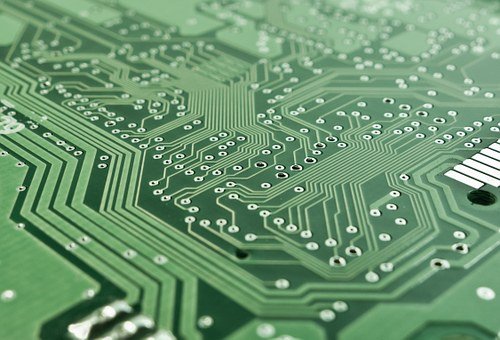
Find An EMS is precisely what you need in your life. We are an OEM and EMS connecting platform that can solve all your component and part production needs under one roof.
At Find An EMS, you can get a cable harness assembly provider, EMS service provider, assembly manufacturing service provider, embedded design service provider, and more.
Learn everything about us by visiting our website now.
Benefits of Using a Cable Harness Assembly
There are thousands of different electronic devices out there, but each needs the best quality cable harness assembly. Choosing one from the hundreds of cable harness assembly providers’ available out there can be a painstaking and tedious task all in all.
But when you work with experienced and professional cable harness assembly services, finding the best cable harness assembly becomes the least of your worries. If you’re wondering why you need one, here are four reasons for you.
Organization
Each electronic unit consists of a handful of cables vital in bringing the product to life. These cables can get jumbled and become quite messy if not sorted. A cable harness assembly combines a group of different cables, making other complex cabling systems much simpler and more organized.
This way, you have much better chances of understanding the various functions of each wire more quickly and conveniently.
Space Saving
With multiple cables passing through each component, it takes up too much space. The more space available in the unit, the better it is for you since you want the internal components to move freely without unnecessary abrasions. With an efficient cable harness system, you can optimize the space in each unit well.
Increased Safety
You can’t just bundle up a bunch of cables together and call it a day. The last thing you need is for one wire to malfunction, which can cause the entire unit to go off. With a cable harness assembly system, you carefully protect each cable before stacking it with others to ensure minimum risks and hazards.
Time-Saving
The one thing every manufacturer needs is less time to be consumed in the production line. There are special operational managers appointed responsible for checking why there are time inefficiencies and how they can be rectified. The simple answer is cable harness assembly. It makes the installation process simpler and more manageable, saving much effort and time.
Increased Product Quality
If there’s one faulty wire in there running through the unit, you probably won’t know about it until the end. Since you check all the cables and wires beforehand for the cable harness assembly system, it saves time and makes your product more efficient.
Moreover, you can also ensure that each product coming out of the assembly line is of the utmost finest quality and is exceptionally reliable.
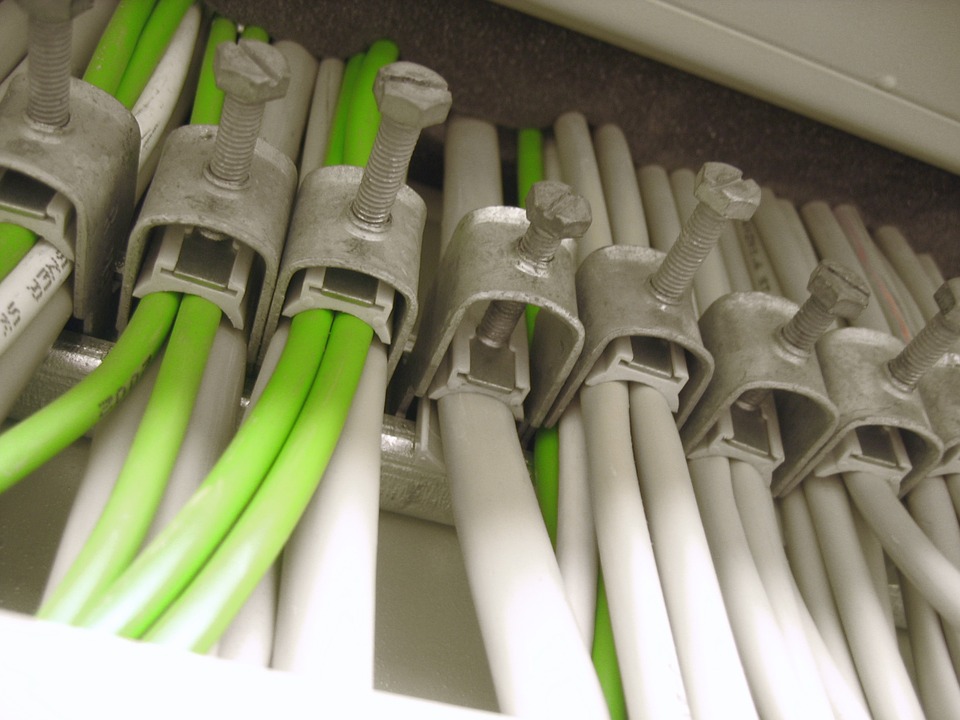
Get in touch with Find An EMS today!
If you need a reliable EMS provider to partner with, there’s no one better than Find An EMS.
At Find An EMS, we can help you partner with PCB assembly services providers, electronic contract manufacturing services providers, embedded system design services providers, and much more.
Visit our website now to learn more.
Your Guide to Working with an Electronic Contract Manufacturer
Every company has a mind-blowing concept in its mind, but they’re not sure how it will go from an idea to a finished product. That’s where an ECM (Electronic Contract Manufacturer) comes in to help. While some manufacturers act as “board houses” and pump out cheap orders, others work as single-source suppliers.
An Electronic Contract Manufacturer is a one-stop solution for all your manufacturing needs, such as electrical design, component supply, PCB layout, PCB manufacturing and assembly, product maintenance, and after-sale services. An ECM can be kept as an R&D department for companies or an outsourced manufacturing unit.
How to Work with an ECM
If you’ve never worked with an ECM before, here’s how the process works:
Check for Integration
The initial goal should be to analyze the objective of the project and the degrees of critical configurations that will be required for the desired task. The key to the right deliverables is ensuring swift communication and multiple in-person visits to the ECM’s facilities to inspect their equipment and capabilities.
Examine the Features
The ECM market consists of many companies aiming to “create” the same thing for you. However, the one step that can make the process easier for you is to ask them for a feature list, such as:
- What do you want your product to do?
- What sets it apart from the rest of the products in the market?
- What’s the application?
When you provide an ECM with the overall description of the project, it helps them understand what kind of design, assembly, and testing you expect.
Research at the ECM’s End
Here the ECM should dive into the list of the component composition to see what is obsolete and what’s nearing obsoletion.
Quote Please!
Based on the engineering list and how they’ve interpreted the requirements, the ECM should generate a quote now. The section breaks the project down into three phases:
- Mechanical and schematic design
- PCB layout and prototyping
- PCB testing
Mechanical and Schematic Designing
If your PCB assembly company also offers PCB designing services, this step should be straightforward. The design engineers will create a PCB layout for your product based on the design-for-manufacturability best practices.
PCB Layout and Prototyping
The SMT PCB supplier initiates the actual work by laying out the SMT circuit board enclosures and assembly. Before going all in, the supplier should generate some prototypes, usually five to seven. The prototypes are then tested based on your spec requirements.
Final Testing
The last step is to verify that the product is working exactly like you anticipated it to work. From regulatory actions to the products safety measures, everything should be tested here by the ECM. Usually, the inspection and testing protocol varies based on industry to industry, but an experienced ECM should know them inside out.
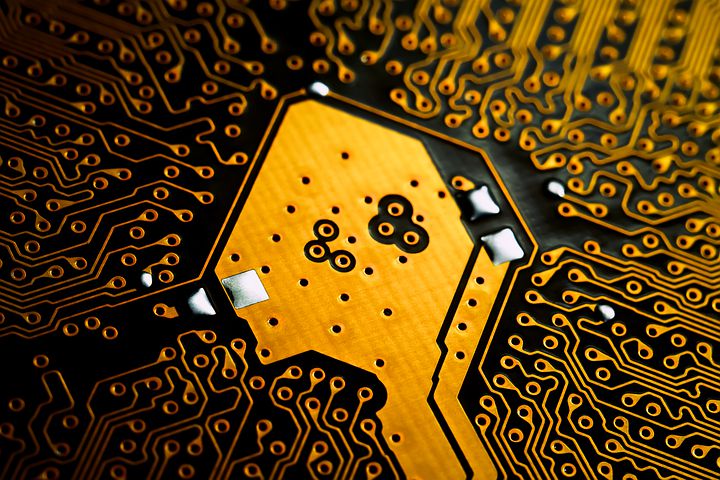
Finding an ECM
Now that you understand how an OEM and ECM partnership works, it’s time to start looking for one that fits your needs the best. Find An EMS is an online platform that helps in OEM and EMS provider partnering. Our online platform is available to use free of cost. All you need to do is sign up as an OEM, post details about your project and its requirements, and an interested EMS provider will get in touch with you!
Who knew finding an EMS could be this easy? Visit our website now to learn more.
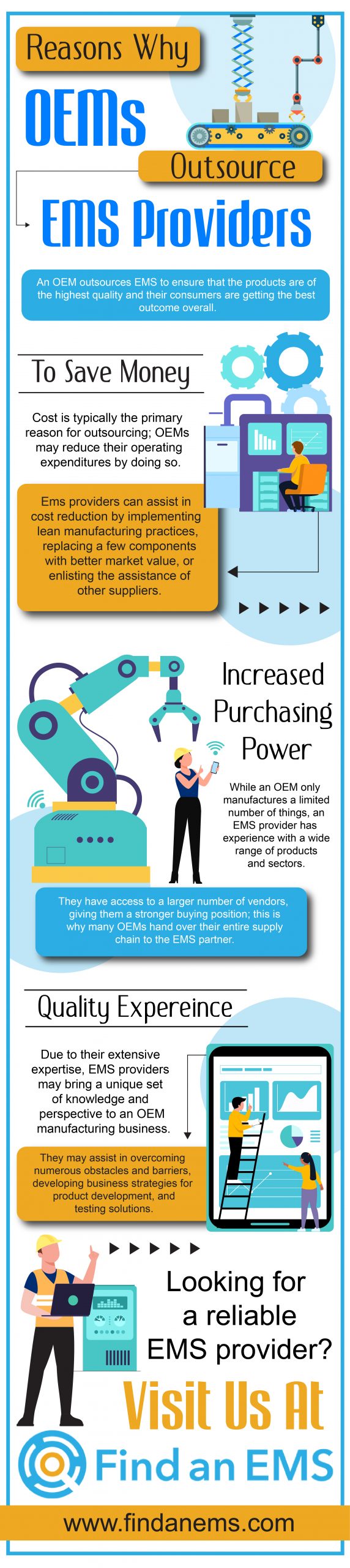
Reasons Why OEMs Outsource EMS Providers
An OEM outsources EMS to ensure that the products are of the highest quality and their consumers are getting the best outcome. Here are some reasons why OEMs outsource EMS providers.
PCB Manufacturing Trends You Should Know
Almost every industry, business, and consumer demands the latest and the most innovative products of all time. As a result of this demand, continuous research and development in the electronic engineering industry have become more important than anything else.
This growing use of technology has put one essential component in the spotlight as it’s the backbone of every device – printed circuit boards (PCB).
PCBs are the backbone of every electronic device as they connect different components and bring the unit to life. This board consists of tiny circuits that are one of the essential elements of technology ever invented. A PCB can be single or double-sided, as well as multi-layered. However, some specific technologies are emerging in the PCB manufacturing industry that might be the best things that have ever happened.
PCB Autoplacers
Many PCB manufacturers today include autoplacers in their PCB designs. This automation has made the product much more efficient while smoothing the device’s operations. Moreover, the automation process of these circuit boards has helped save a lot of time. The product now can be made much quickly to meet the market’s demand and improve operational quality.
Biodegradable PCBs
Every year, more than 50 million tons of electronic waste are produced globally, making e-waste a rapidly growing concern for all. To offset this problem, the invention of biodegradable PCBs is rising in popularity.
The disposal of PCBs is very harmful to the environment due to the harsh chemical these circuit boards contain and the most significant component of an electronic device. The biodegradable option is helping eliminate all these issues.
Flexible PCBs
A single PCB board is responsible for managing several electronic device functions on its own. This is primarily why the PCB must be flexible. As opposed to the rigid counterparts of PCB, flexible PCBs are already becoming very famous since they can handle more stress and have higher bending properties.
Flexible PCBs can be molded into any size or shape. And the latest innovation of through-hole PCB assembly allows smooth attachment of every component to the board itself without any hassles.
High Power Boards
Not every device allows the same voltage to flow through it. This created a significant issue for high powered devices as the PCBs couldn’t put up with their electrical board. However, the latest invention of high-powered PCB boards now supports 48V and higher, which is why they are becoming popular amongst companies.
HDI PCBs
PCBs are used in almost every industry worldwide, from military communications to medical diagnostic tools. The demand for smaller and faster signal-catching devices is now increasing with time, which created HDI PCBs. These high-density interconnect (HDI) PCBs are reliable, provide a high-speed signal, and are much lighter and smaller than any other PCBs. They reduce the need for layering, which usually happens with conventional PCBs.

Finding the Best PCB Assembly Service Provider
There are many PCB manufacturers and assembly service providers globally, but finding the one that’s reliable and offers these innovative solutions to your PCB needs can be a real challenge. But with Find An EMS by your side, this will be a piece of cake.
We are an online platform that connects OEMs providers with EMS providers to make their manufacturing process easier and more efficient. From assembly manufacturing services to embedded system design services and cable and harness assembly, you can get them all.
Visit our website now to learn more.
Step-By-Step Guide to PCB Manufacturing Process
PCBs work as a backbone for all significant electronics, from cellphones to microwaves. These extraordinary inventions are present in almost all computational electronics, no matter how simple or complicated they might be. The PCB market itself is worth $12.86 billion in the US.
What is a PCB?
A Printed Circuit Board (PCB) is responsible for connecting the components in a device electronically to bring it to life. This miraculous invention ties all electronic components together by being the primary source of guidance for electricity. All electronic components are attached to the PCB using a metal wire that conducts electricity.
How are PCBs Made?
Now that we understand what PCBs are, let’s discuss how a PCB is manufactured.
Step 1: Design and Output
Most PCBs are made by applying a layer of copper on the entire surface of the substrate material on one side or both to create a blank PCB covered in copper. Based on the design of the pattern, the unwanted copper is removed using a subtractive method.
Step 2: The Journey from File to Film
To remove the copper from the circuit board’s substrate, a process called photoengraving is used that is masked with chemical etching to “subtract” the cupper. This photoengraving process is done using a photoplotter and sometimes a laser printer.
Step 3: Stick Together
All PCBs are made using multiple layers of the PCB, which are stuck together to create one uniform PCB. These layers are called multilayers, and are made of thin trace or etched boards bonded together through lamination.
Step 4: Time for the Drill
For the PCB to work flawlessly, each layer of the PCB should connect with another to pass the electricity. This is done by drilling small holes in the PCB called “VIAS.” These holes are precision placed and must be done using an automated drilling machine to be as accurate as possible.
Step 5: Copper Conductors
In order to connect the electronic components with the PCB, copper wires are used as conductors. But copper can mount to PCB itself, which is why a medium is used to help adhere it. Previously it used to be tin, but now nickel or gold is used for increased solderability.
Step 6: Silk Screen
Every company wants its logo and other instructions embedded on the PCB to distinguish it from other brands. The silk-screening process is used to make this happen.
Step 7: Let’s Put it To the Test
The last step is assembling everything and putting the PCB board to the test. This is where you detect all the possible errors that might be there or wiring issues that need correction.
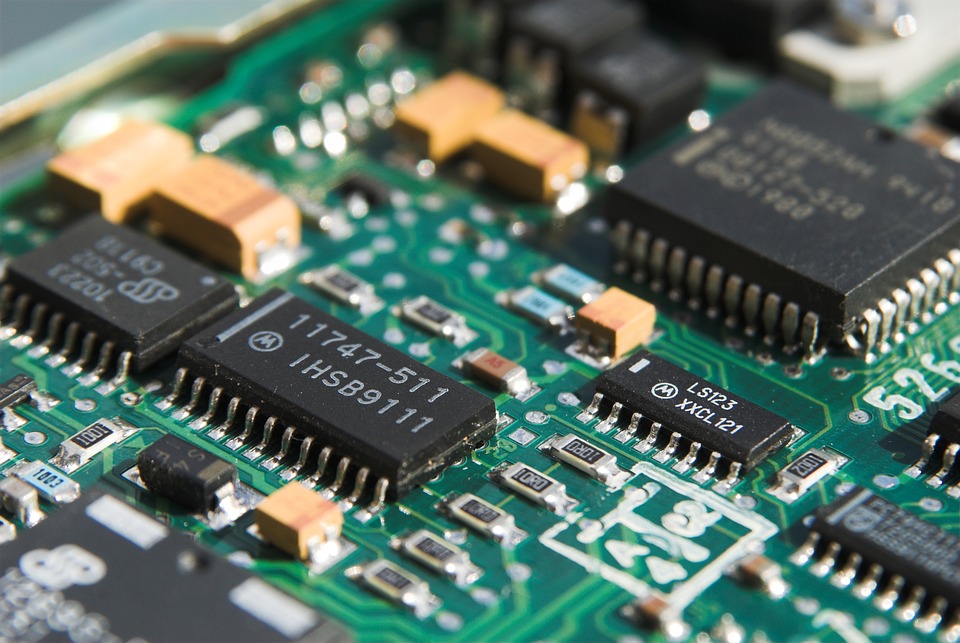
Need the best of the best PCB assembly service for your product? Hop onto Find An EMS today. We are one of the most satisfactory OEM and EMS provider partnering services in the US who can help you connect with the right service provider for the job.
Get in touch with us today to learn more.
The Ergonomics of Wire Harness Assembly
With the increasing popularity of innovative electronic products, it’s no surprise that the wire harness market is expected to grow by 6% by 2030. However, even though the wire harness market is profitable, not every manufacturing company succeeds at making a mark in the industry. Why is that, you ask?
The lack of information about the ergonomics of cable and harness assembly procedures prevents growth. Continue reading this blog to find out more about wire harness assembly.
Wire Designing
Whether you’re manufacturing automotive equipment or consumer electronics, wire harnesses are necessary to effectively transmit electrical power in your products.
However, your products may not achieve efficient electrical transmission if you don’t design the cable harness adequately. You can conduct 3D modeling in Computer-Aided Design (CAD) software to accurately design your innovative cable harness.
If you don’t have the technical knowledge to design a wire harness, hire EMS providers who can deliver top-notch wire harnesses.
Always Make Prototypes
If you want to make a flawless cable harness, prototyping is necessary. Manufacturing different cable harness prototypes can help you identify potential flaws and determine their limitations. However, making the prototypes from scratch can be time-consuming. If you want to start production right away, it’s better to hire EMS suppliers who can manufacture a cable harness efficiently.
Ensure Rigorous Testing
Before supplying electrical products to your customers, you should conduct extensive testing to ensure the safety and durability of your goods. Here’s a checklist of all the tests you should perform:
- Label Testing: Often, manufacturing firms forget to label their wire harnesses adequately. Imagine the negative impact on your brand image if your customers plug in the wrong wires because of incorrect labeling and encounter an electrical shock. This is why you should double-check all the labels on your wires and ensure its safe to use.
- Wire Pull Testing: Looking to measure the bond strength of your wires? Perform wire pull tests that can determine the durability of your wire harness.
- Short Circuit Testing: Wires that aren’t appropriately manufactured can corrode easily and cause short circuits. You should look out for burning and melting wires to locate a short circuit.
Conducting rigorous testing requires technical knowledge, which is why we recommend you hire EMS providers from an online platform that can help you out.

Hire EMS Providers For Top-Quality Wire Harness Assembly Services
Want to improve the quality of your electrical systems but don’t know how? Visit Find An EMS to connect with expert EMS providers that offer top-of-the-line cable and harness assembly services. We’ve created a state-of-the-art online platform where OEMs and EMS suppliers can connect and manufacture revolutionary products.
We’ve created a secure search engine that helps you choose EMS providers per your specifications. Our online platform also hosts EMS providers from other industries, including PCB assembly and aerospace.
So, what are you waiting for? Contact us today for more information.
How to Launch a New Electronic Product in the Market?
The electronics industry is booming and is expected to reach a market value of 1291 billion dollars by 2025. While the pandemic led to a few hiccups in its growth, this industry is set to make a comeback as things settle down.
If you’re an emerging entrepreneur who’s looking to set foot in the electronics market, you might have many questions on your mind. Here’s all you need to do to launch your electronic products in the market.
Conduct Thorough Market Research
Launching an electronic product without extensive market research is never a good idea. We recommend you conduct rigorous market research to determine if there’s a demand for your product or not.
Once the market research is done, start developing a Proof-Of-Concept (POC) prototype before manufacturing the main product. The POC prototype can help you determine major potential flaws in your product.
Product Development
Manufacturing the product can be a massive challenge. From choosing the right material to conducting rigorous tests, you’ll have to simultaneously keep an eye on multiple production aspects.
You can choose a wide range of materials, including polycarbonate, acrylic, polyetherimide, polypropylene, elastomers, and many other materials, to enhance the quality of your electronic products
Once the product is ready, you should conduct electrical safety tests, agings tests, and durability tests to ensure your product is ready for the market.
Invest in Marketing
You might have created a revolutionary electronic product, but is that enough?
Your product won’t see sales in today’s cutthroat market without efficient marketing. You should conduct both offline and online marketing to get the ultimate traction for your product. You can use data analytics to specify your target market and divert your marketing campaigns to areas with high sales potential.
Find The Right OEMs And EMS Provider
OEM and EMS suppliers are the backbone of any manufacturing process. The Original Equipment Manufacturer (OEM) focuses on the design, development, and marketing of different types of manufacturing products, while the Electronics Manufacturing Service (EMS) provider focuses on the production of top-quality electronic items.
Manufacturing top-class electronic products without technical expertise can be a nightmare for your firm, which is why we recommend you hire EMS providers who can assist you in the development process. You should look for EMS providers on online platforms, as locating them physically can take an eternity.

Looking for a reliable EMS provider but can’t find one? You’ve come to the right place! At Find An EMS, we’ve created a top-class platform for you to connect with OEMs and EMS providers.
We can help you connect with experts from a wide range of industries, including aerospace, printed circuit boards EMS, and cable and harness assembly.
Get in touch with us today for more information.
4 Technology Trends That Transformed the Electronics Industry
It’s no secret that the pandemic has led to many changes in the electronics industry. However, many companies are finding it difficult to cope with the changes in technology. If you want to get ahead of the competition in the electronics industry, you need to stay updated with all the latest trends.
Continue reading this blog to find out four trends that have revolutionized the electronics industry.
Big Data
Data has become an integral part of every business (small or big), but even though many firms generate big data, few companies know how to use it efficiently. You can use data from your machines and analyze it to find flaws in your production methods. Improving errors in your manufacturing processes can boost efficiency and decrease costs, making it a win-win situation for your firm.
Predictive Maintenance
Equipment breakdown can be a nightmare for every manufacturing firm. Imagine being on a deadline when your machines stop working. You wouldn’t want that, right?
This is why firms are opting for predictive maintenance. You can use data to monitor the health of your manufacturing equipment, which can help you predict when your machines might stop working. This can help you take preventative measures beforehand and improve your firm’s supply chain management.
Virtual Reality
Designing electronic products has always been a challenge for manufacturing firms. However, with virtual reality technology, product designing has become easier than before. Virtual reality coupled with computer-aided design software can help you identify flaws in the product before deploying it for production, which can help you save a lot of money. Virtual reality also reduces inspection time as your inspection team can quickly determine any errors, boosting efficiency.
Printed Circuit Boards
Gone are the days when you’d use traditional, costly circuit boards for your electronic products. The latest trend that manufacturing firms follow is using printed circuit boards. Experts estimate the printed circuit board market to increase by 12.6 billion dollars from 2020 to 2025.
Firms are also switching to 3D printing for circuit boards as it provides quick and accurate production results. 3D printing can allow your product designers to make multiple prototypes quickly and test them out, which can help you manufacture the ideal circuit board.
If you’re wondering why firms are switching from conventional circuit boards to PCBs, we’ve listed some of its common benefits here:
- Compact Size
- Easy Repairing
- Low Production Time
- Fixed Components
- Low Cost
- Increased Durability
Manufacturing printed circuit boards from scratch can be a challenge. This is why we recommend you hire EMS providers who can develop printed circuit boards as per your specifications.

Connect With EMS Providers On A Top-Quality Digital Platform
Want to skyrocket your firm’s growth in the electronics industry? It’s time to hire experienced EMS providers using the platform created by Find An EMS. Our team of experts understands the challenges OEMs and EMS providers face in the manufacturing industry, and we want to help them connect easily.
Our platform hosts experts from multiple industries, including cable and harness assembly, printed circuit boards, and aerospace.
Reach out to us for more details.