What EMS Providers Should Look Out for When Choosing an OEM to Work With
When OEMs decide to outsource their electronics manufacturing, they start looking for the right EMS provider. However, finding a suitable EMS partner isn’t as straightforward as it sounds.
What matters is what the OEM hopes to achieve by outsourcing and whether or not these expectations align with the EMS provider. Furthermore, with the OEM-EMS partnership evolving and the negative forecast for electronic manufacturing in the US, EMS providers are focusing on their own strategy as well.
So, when it comes to EMS providers, here’s what they should consider when choosing an OEM to partner with:
Start with the Question Why
When an OEM and EMS provider get in touch, the first question on the EMS provider’s agenda should be ‘why?’ The EMS provider may wonder why the OEM wants to partner with them. Unless the EMS provider is desperate for work or overstaffed, they will consider whether or not an OEM is worth it. EMS providers ponder the ‘why’ question because they don’t really know whether the contact is made because the OEM is interested in partnering or whether it’s the same inquiry sent out to tens of other providers to see who quotes the cheapest rates.
A capable EMS provider will want to know exactly how much of the development and manufacturing process is being outsourced. Furthermore, how they figure into the OEM’s outsourcing strategy is crucial to ensure smooth sailing in the future.
Assessing Financial Viability
An EMS supplier may also want to ensure that the OEM is financially sound before moving forward. The EMS needs some assurance that it will be paid timely for the services they offer.
The OEM-EMS pairing should be a financially viable agreement for both sides in order to grow into a fruitful partnership. The EMS provider may decide not to move forward if something about the OEM seems fishy.
Understanding the Complexity and Volumes
Not all OEMs are made the same, and similarly, and not all EMS providers have the capacity to tackle any OEM project that comes their way. Some suppliers offer electronic manufacturing services on a contract basis, while others only offer electronics design services and not necessarily assembly and manufacturing services.
In fact, some EMS providers are only equipped to handle prototype volumes and may not be capable of handling large-scale manufacturing. EMS providers need to consider whether the complexity and volumes required by the OEM align with their own strategy.
Additionally, some EMS providers only have experience in specific markets and prefer to play to their strengths. This can also be a decisive factor for an EMS provider to decide whether to move forward with the OEM or not.
Pro tip: A quick glance at the About Us page of both the OEM and the EMS will give the other party a better understanding of the match.
Finding the Right OEM-EMS Match
When it comes to the OEM-EMS partnership, finding the right match isn’t so easy, as there are various factors that come into play. Find an EMS is a platform that helps reduce the uncertainty and streamlines the process for both parties through OEM and EMS provider partnering.
OEMs can easily find a suitable EMS provider for their outsourcing needs and carry out projects efficiently using the Find an EMS dashboard. Getting started is easy for both OEMs and EMS providers, but you can get in touch for more information.
Why OEMs Need EMS Providers to Launch Their Products Successfully
Imagine this: you’ve completed your market research, defined your customer expectations and preferences, and conceptual design has been validated. Your product is viable, and now it’s time to transform your concept into reality.
As an OEM, the challenge you face now is to get the product out in the market at the right time. You are aware of the threats of a market inflection, a new disruptive technology, or competitors starting a price war. All of this can render your product obsolete before it even hits the market.
OEMs are almost constantly facing the challenge of launching viable products quickly and efficiently. With the ever-decreasing product lifecycles and increasing global competition, the challenge for OEMs to successfully and timely launch their products is now a daunting one.
When it comes to launching a new product, you will be hard-pressed to find an OEM doing it all independently. Most OEMs recognize the importance of working with an EMS provider, and rightfully so. There are plenty of reasons OEMs need EMS providers to accomplish a successful product launch; let’s dive into some of the most important ones!
EMS Provider’s Role in Project Kickoff: Assessing Cost Constraints & Manufacturability
Not all OEMs engage an EMS provider in the first stage but doing so can be fruitful in several ways. OEMs can better understand cost constraints and product availability by engaging an EMS at this stage.
OEMs tend to focus too much on technical aspects during the design stage, and not enough thought is given to product availability once it hits the market. During this stage, OEMs working with an EMS partner can utilize their experience and knowledge of raw material availability to improve their product availability.
Furthermore, process design validation also requires selecting an EMS provider so you can maximize your product’s yields and improve manufacturability during the design phase.
EMS Provider’s Role in Product Development: Beginning Preliminary Documentation
Once the OEM has developed a viable concept, it’s time to turn it into reality. As the engineering team focuses on developing the technology into a marketable product, the EMS provider begins preliminary documentation.
Prototype Development: EMS Provider’s Full Engagement
Once the OEM enters the prototype development phase, the EMS provider should be fully involved and offer design feedback before the product enters the manufacturing stages.
This feedback should include early-stage validation on product design’s manufacturability, preliminary checking for DFMA, the preliminary baseline for repeatable process, and functional test development.
Pre-Production Stage: Synchronized OEM and EMS Provider
This stage requires EMS to prepare for full-scale production, including finalizing process documentation, quality control plans, functional test plans, and reviewing supply chain issues and production plans.
Successful Launch: Summarizing The OEM’s Need for an EMS Partner
If the OEM has kept the EMS provider engaged in these stages, they can expect a smooth transition to manufacturing. In short, selecting the right EMS provider at the right time can be the defining difference between a successful product launch and a chaotic nightmarish scenario.
A strong OEM and EMS provider partnering can help OEMs create and sustain a competitive advantage and successfully transform their product from concept into reality. OEMs looking for a capable EMS provider can reach out to Find an EMS.
At Find an EMS, we help OEMs connect with the right EMS partners who provide electronics design services, assembly services, and electronic contract manufacturing services. Please email us at info@findanems.com to learn more.
Next Steps After Choosing an EMS Provider
After an Original Equipment Manufacturer (OEM) decides to outsource their manufacturing to an Electronics Manufacturing Service (EMS), the EMS providers usually assigns them an account manager who handles their project and ensures that the outsourcing process goes smoothly.
The account manager is the go-to person for an OEM and answers any questions or concerns they might have. Today, we’ll talk about what happens after an OEM selects an EMS partner.
Building the Supply Chain
After you’ve provided all the relevant information and data to your account manager about your product, the next step is to set up the supply chain. In this step, you need to decide if you’ll continue to use your current suppliers or if you trust your EMS provider to handle this part of manufacturing on their own.
If you want to have more free time available, you should consider giving over control of the supply chain to your EMS provider. However, if you feel more comfortable using your own suppliers, you need to buy materials from them and freely issue them to your EMS partner so they can manufacture your product.
Another option is to nominate your chosen suppliers to your EMS provider so they can directly coordinate with them to order materials as needed. The EMS provider needs to inspect each material based on their own standards. Each electrical component needs to undergo a cosmetic and dimensional inspection. The electro-mechanical parts also need to be compared to their drawings to ensure every material is as expected.
Making Build Packs
An EMS provider can use the data and information you provided during the initial quote to develop a build pack. A comprehensive build pack helps ensure there is no missing information and all data present for the manufacturing is up-to-date and correct.
The NPI Process and Testing
The New Product Introduction or NPI process helps assure an OEM that their EMS provider is capable of manufacturing high-quality products. After the EMS partner delivers the new products, they need to be tested so that no faulty product can reach the customer.
You can either allow your EMS provider to do the testing, or you can do it in-house to maintain control. You should discuss the benefits and drawbacks of both options with your EMS partner to make the right decision.
Logistics and Reviews
The final steps include considering the logistics for the products and securing business reviews. You must openly discuss with your EMS provider who will send the final product to the customers and how you will receive a formal business review of your product, so it gains traction in the market.
If you’re OEM providers looking for an EMS provider, get in touch with us at Find an EMS. We will connect you with a suitable EMS partner who’ll provide a range of services, including electronics design services, electronics assembly services, electronic contract manufacturing services, and more. Contact us today to find the right EMS provider for you.
10 Requirements of an EMS Company for An Initial Quote
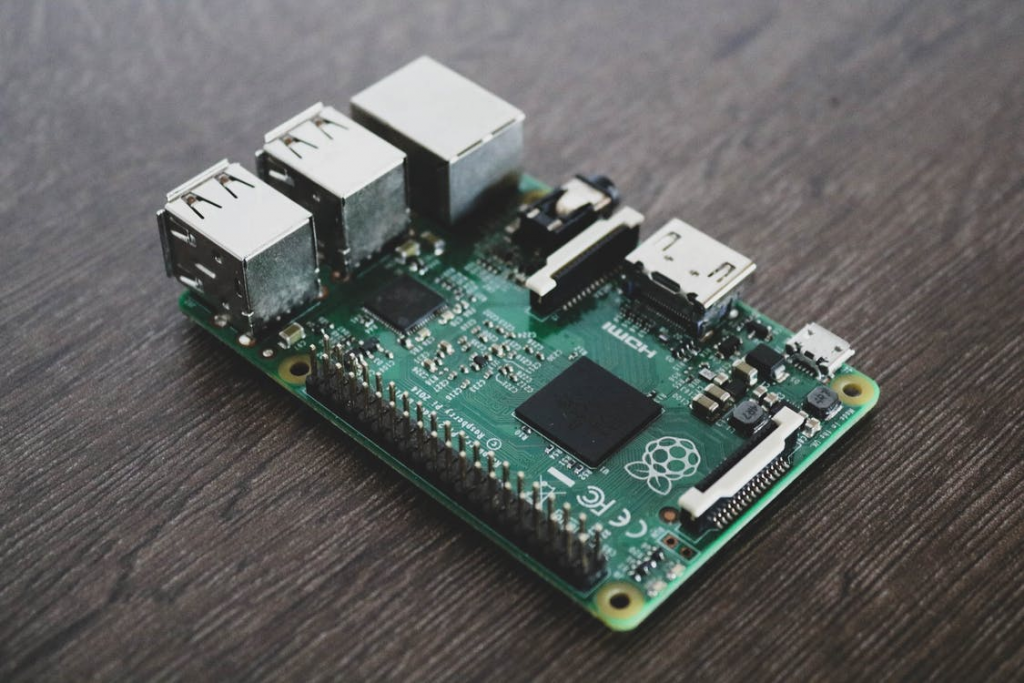
As an Original Equipment Manufacturer (OEM), even if you’re looking for an informal or indicative quote from an Electronics Manufacturing Service (EMS) provider, you still need to provide them with details about your product so they can give you an accurate estimate of how much their EMS manufacturing services will cost.
Here’s a detailed description of the information you need to present to an EMS provider when you ask them for an initial quote.
The Necessary Information An EMS Provider Can’t Do Without
Sometimes OEMs are only looking for a ballpark figure or a rough estimated quote that they can take back to their team. You need to assure an EMS provider that your query is real and genuine so they can help expedite the process.
For such an indicative query, there are three main pieces of information that an EMS provider needs to have. These pieces of information include:
- The type of product you want to build.
- The materials that will be needed to build this product.
- The amount of time it will take to assemble, test, and pack this product.
The EMS provider will use this information to calculate how much money they will spend on labor and materials and their profit margins before giving you an estimated price of your product per unit.
However, this basic information is not enough for an EMS provider to give you an accurate quote, and they need more detailed answers so they can estimate their price and come up with the right budget and projections.

The Detailed Information You Should Offer an EMS Provider
If you don’t provide a potential EMS partner with more information than just the bare bones about your product, they will rely on guesswork to give you an initial quote.
Suppose they have to estimate the extent of the manufacturing services you want to outsource to them or how complex your project is. In that case, the information they provide will be incorrect and will end up causing delays and frustration for both the OEM and the EMS provider.
Here are some of the additional details you should give an EMS provider:
- The full scope of the project, such as the amount of time it will take and the different services you will require such as assembly, testing, logistics, packing, shipping, etc.
- The number of products you will require over the coming year, including the quantity of the daily, weekly, and monthly batch and the call-off amounts.
- Which countries you will ship your product to.
- What lead-time you are going to offer to the end-user.
- What the delivery expectation of the end-user is, and whether it might change later on.
- How much forward visibility you can provide, and the realistic quantity of firm order you can sign up for.
- What the stability of the product design is, and whether up-to-date build and test data are available.
Are you searching for the right EMS partner for your product? Contact us at Find an EMS, and we’ll connect you with EMS providers who provide what you’re looking for, such as electronic contract manufacturing services, electronics assembly services, electronics design services, and more.
Debunking Myths About EMS

Here’s Why OEMs Tend to Outsource to EMS Providers
Most OEMs outsource the development and creation of electronic components. The actual manufacturing process can be quite problematic for OEMs. While they can’t sell the product until it’s assembled and tested, their expertise lies in coming up with new ideas and products. For OEMs, manufacturing is more of a means to an end.
Here are some reasons OEMs outsource:
To focus on design and marketing
The business model of OEMs is centered around focusing on product innovation and development. OEMs design products and own the rights. Outsourcing services helps them free up time to focus on more important areas of the business like marketing. With the rapid rate at which technology is developing, OEMs are under immense pressure to come up with innovative ideas to stay ahead of the game.
It’s cost-effective
Surprisingly, costs are never the primary factor that determines outsourcing. However, reduced costs are a benefit of outsourcing. OEMs are able to cut down on operating costs. They can implement lean manufacturing more effectively and replace inefficient components with value added alternatives. OEMs can reduce raw material and finished goods inventory, which also helps reduce costs. This gives the company more time and resources for marketing and sales.
To free up capacity and resources
The main goal of OEMs is to expand and get more customers, but there’s risk attached to such success. An OEM may outgrow their current situation, leaving them less factory space to accommodate the increased demand. They then have to make a choice of acquiring new commercial premises, or outsource. Outsourcing is the better option, as it reduces overheads and frees up capacity too.
Increased purchasing power
Despite the fact that OEMs have a limited product line, the EMS provider has significant experience working on various products across a number of industries. They also have access to a wide network of suppliers. EMS providers are able to get the best deals due to the relationships built with suppliers and their economies of scale. An OEM would not be able to achieve the cost effectiveness of an EMS provider.
Get in touch with reliable EMS providers via our platform. Post your product EMS requirements on Find an EMS and the EMS providers reach out to you. Our platform can also help you access the best Embedded Design Services for your needs and Electronic Contract Manufacturing Services.
The Top 4 Challenges Faced by OEMs
Similar to other industries, the manufacturing industry is also shifting to a subscription-based model. This is being referred to as servitization, and has transformed the industry, as it encourages products-as-a-service. But this shift has also been ridden with challenges. Here are a few of them:
Efficient and secure data connectivity
The complex machinery that’s used for industrial applications is built to last. Such equipment is considered a fixed asset and has a 3 to 4 decade lifespan. Therefore, it needs to be highly reliable. While the products in service today aren’t built for IoT connectivity, integrating existing equipment with IoT enabled parts is now a major challenge businesses are facing.
Insufficient data
The latest machine learning algorithms, like Recurrent Neural Nets and Deep Learning and, have been revolutionary. They have amazing image and voice recognition abilities. While these machine learning algorithms have proven to be very effective, they also rely on millions of data points from millions of users across the world. A lack of data in such a circumstance can result in ineffectiveness. Manufacturers of industrial equipment also tend to hold onto data instead of sharing it, which doesn’t help the cause.

Domain expertise
Domain expertise in the manufacturing environment is critical. Machines and processes are developed using certain principles. The context in which a machine behaves and operates is also crucial for training models and analysis.
Without this context, issues arise as the sensors alone cannot provide quality data. Here’s where domain experts are required. They interpret historic data and develop an accurate model training. They also interpret the results, which is crucial.

Data ownership
As of yet, there aren’t any standards in the industry based on ownership and accessibility. Manufacturers are still struggling to determine who owns and has access to data. The main dilemma is, does the manufacturer own the data, or the third-party that rents and operates it.
There’s also much debate about the role of the financial entities and suppliers that provide essential components. Take the example of an aircraft engine; each component of the aircraft is manufactured by a different entity. Experts believe that some form of regulation will be developed in the near future. These regulations will streamline processes and eliminate grey areas like data ownership and access.
Are you looking for a reliable EMS provider? Post your product EMS requirements on Find an EMS and the EMS providers reach out to you. Our platform can also help you access the best Embedded Design Services for your needs and Electronic Contract Manufacturing Services.
The Process of Getting A Quote from An EMS Provider
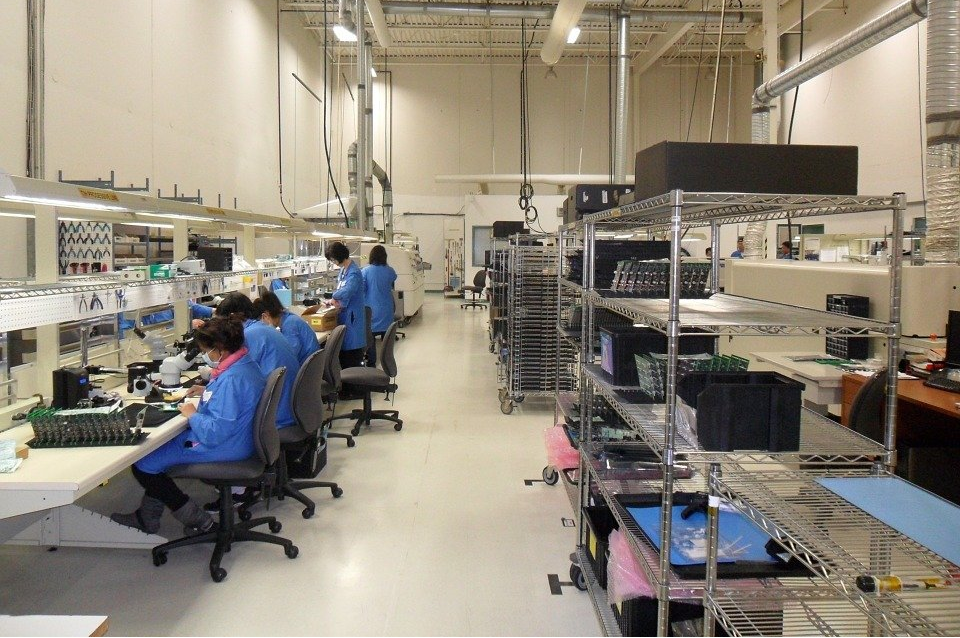
Many Original Equipment Manufacturers (OEMs) decide to outsource their manufacturing to an Electronics Manufacturing Service (EMS). An EMS provider can broaden the manufacturing process as they have access to a more extensive range of suppliers.
Hence, many OEMs search for EMS providers to get an initial quote from them and decide which one they’ll go with. However, getting a quote from an EMS provider is more complex than you might think, so here’s a detailed guide to help you with the process.
You Need to Give an EMS Provider Relevant Information First
When you contact an EMS provider to outsource your manufacturing, you need to provide them with certain information, so they can give you an accurate quote.
An EMS provider needs to have these details to calculate material handling costs, profit margins, and labor charges before they give you a rough estimate for price per unit.
Some of the information you need to provide an EMS provider includes:
- Telling them how much of your logistics, test, and assembly you want to outsource.
- What kind of raw materials will be required to build the product.
- How long the assembly of the product will take.
- How much time will be needed for testing and packing.
- How many products will you need over the coming year.
- The location where the products will be shipped.
- Whether there are any time constraints for the manufacturing process.
- The number of products you can realistically sign up for.
You need to have all this information ready before you approach an EMS provider. Be sure to provide them with as much accurate information about your product as possible to get a fair quote.
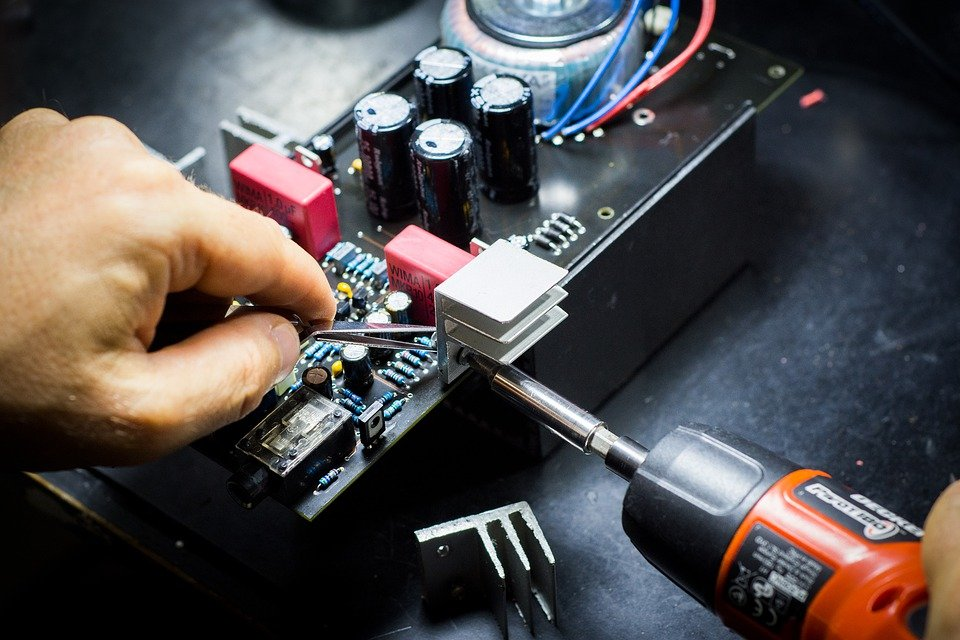
Complications That Can Arise from Inaccurate Information
You need to carefully note all the details you will give to an EMS provider before they can provide you an initial quote. If you’re not open or honest with the provider or accidentally provide them with inaccurate information, it can lead to unnecessary delays and stress.
For example, if the list of materials you provide to an EMS provider is incomplete, missing items in the build process could lead to low-quality products or faulty equipment. This would complicate the manufacturing process and cause delays in getting the product in the hands of the customers. These complications will also add to your costs and cut into the profits you earn from the sale of your finished product.
If you want to outsource to an EMS service provider, get in touch with us at Find an EMS. We help OEM provider search with companies that provide electronic contract manufacturing services. Contact us today to find the right EMS partner for you.
Tips to Find the Right EMS Provider For Your Products
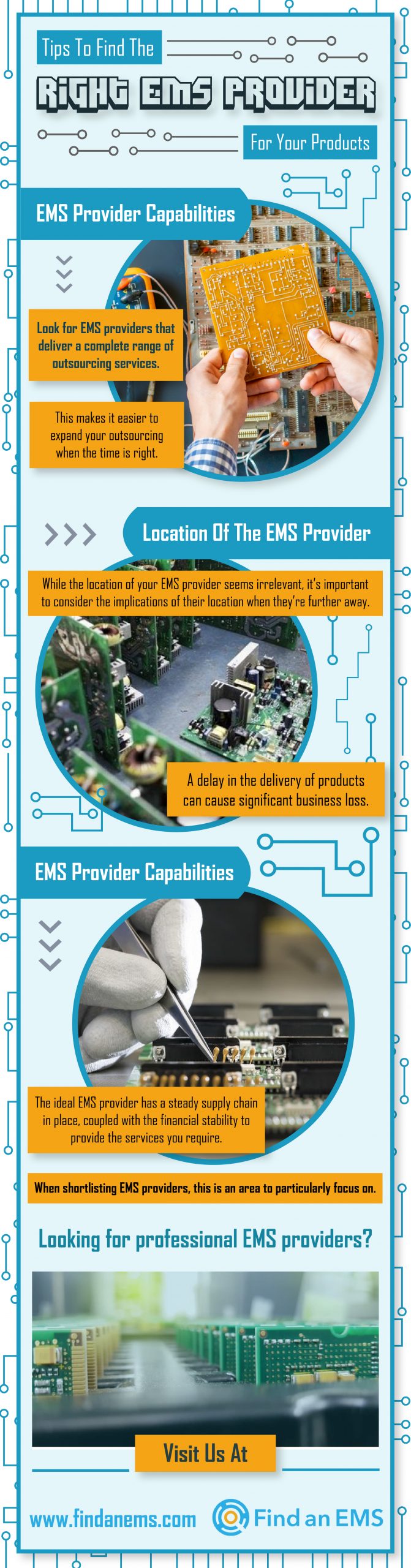
Essential Services to Boost Your Product’s Value and Demand
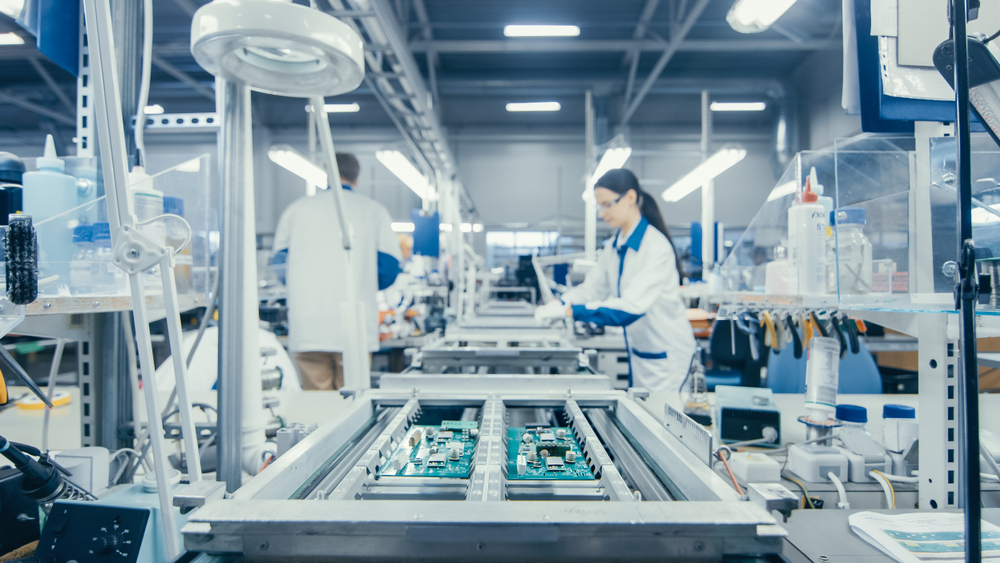
When you want to bring your electronic product into the market, you need the help of electronic manufacturing companies who make the manufacturing process easier and smoother. They provide essential support during the design process as well as in the aftermarket phase.
Here are some services that EMS providers offer that improve your product’s demand and market value.
What Are Electronic Manufacturing Services?
Electronic manufacturing services or EMS help turn the idea of your product into reality. They ensure that your product will be high-quality, market-ready, cost-effective, and more. They are an essential part of the electronics value chain, and they are often called electronics contract manufacturing or ECM.
Services That Increase Product Demand and Value
EMS companies design and manufacture electronic components. They also test these products and assemblies for original equipment manufacturers or OEMs. Moreover, they organize and arrange distribution of the product and offer return and repair services as well.
These companies work with a variety of industries, including healthcare, defense, consumer electronics, aerospace, automotive, energy management, etc.
The first service that an EMS company provides is high-quality design and development for your product along with manufacturing services.
Within these services comes research and development, which includes co-specification of all projects and electronic innovations. The EMS providers also have co-design services so that you can benefit from full product development and collaborative design.

It’s better to select an EMS provider that offers prototyping services so that they can help you develop fully functional mockup demonstrators of the product, in addition to manufacturing the prototypes.
The manufacturing services provided by an EMS company include lean manufacturing, EMS supply chain solutions, and box builds or systems integration. The box build services include producing a printed circuit board assembly or a PCBA which would involve soldering components such as resistors, integrated circuits, and transistors onto a board to enhance signals and power routing between physical devices.
It also includes electromechanical assembly, which means the entire assembly of your finished product, including the printed circuit board.
Moreover, EMS providers offer services like new product introduction, including product launch, certifications, industrializations, etc. They have intelligent supply chain management that automates the production process and saves you money and time while maintaining high-quality.
Lastly, the companies provide postproduction support such as reverse logistics, repairs, warranty support, service parts logistics, etc.
To get in touch with reliable EMS providers, contact Find an EMS. We help OEM providers who are looking to bring their product into the market. Sign up for our support today.